Sun Damage in Southern California: The Daily Habit That Protects and Reverses Your Skin
If you live in Southern California, the sun is aging your skin every single day — even in the car, even in winter, even through the window. Here's what it's really doing, and the simple daily habit that both protects and helps reverse it.
Here in Ladera Ranch, we're spoiled with sunshine nearly year-round. It's one of the best things about living here — and quietly, one of the hardest things on your skin. After more than twenty years as a Master Medical Esthetician, I can tell you that the vast majority of what my clients want to correct — fine lines, dark spots, dullness, loss of firmness — traces back to one cause: cumulative sun exposure.
The encouraging part? It's also the most preventable. And with the right approach, a lot of it is reversible. Let's talk about how.
What the sun is actually doing to your skin
UV exposure is responsible for up to 80–90% of visible skin aging. That's not a marketing figure — it's why the skin on your face, always exposed, looks so different from skin that stays covered. Here's what's happening beneath the surface:
- Collagen breakdown. UV rays degrade the collagen and elastin that keep skin firm, which is what leads to fine lines, wrinkles, and sagging over time.
- Dark spots and uneven tone. Sun triggers excess pigment, producing the brown spots and patchiness that multiply with age.
- Dullness and rough texture. Damaged skin loses its clarity and glow.
- A weakened barrier, leaving skin drier, more reactive, and less resilient.
The myths that are costing you
A few things I hear constantly that quietly sabotage skin:
"It's cloudy, so I'm fine." Up to 80% of UV rays pass straight through clouds. Overcast days still age your skin.
"I'm just in the car." UVA rays — the aging ones — pass right through glass. Your commute, your school runs, your errands all add up. This is why sun damage so often shows up more heavily on the left side of the face.
"It's not summer." In Southern California, meaningful UV reaches your skin every month of the year. Sun protection isn't seasonal here.
"I'm indoors." UVA through windows, plus blue light from screens, still contributes over a lifetime of exposure.
The one habit that changes everything
If you do nothing else for your skin, do this: wear a broad-spectrum SPF every single day. Not just beach days — every day. It is, without exaggeration, the most powerful anti-aging and anti-pigment step available to you, and it costs less effort than anything else in your routine.
The SPF I formulated for exactly this climate is Defend SPF 40 — a 100% mineral, tinted sunscreen built on 17% non-nano zinc oxide, so it protects without the white cast or the irritation chemical filters can cause. It shields against UVA/UVB, blue light, and pollution, and it's formulated with Ectoin and Lipochroman to actively defend against the free radicals that drive premature aging and discoloration. It's sheer, adapts to your skin tone, and hydrates as it protects — the kind of sunscreen you'll actually wear, which is the only kind that works.
Because here's the truth: the best sunscreen is the one you'll reapply. Look for broad-spectrum, at least SPF 30, and a texture you genuinely enjoy. Then reapply every two hours when you're outdoors.
Protecting is half the equation. Reversing is the other half.
Prevention stops new damage. But you can also visibly improve the damage that's already there — and the daytime pairing that does it best is antioxidants plus SPF.
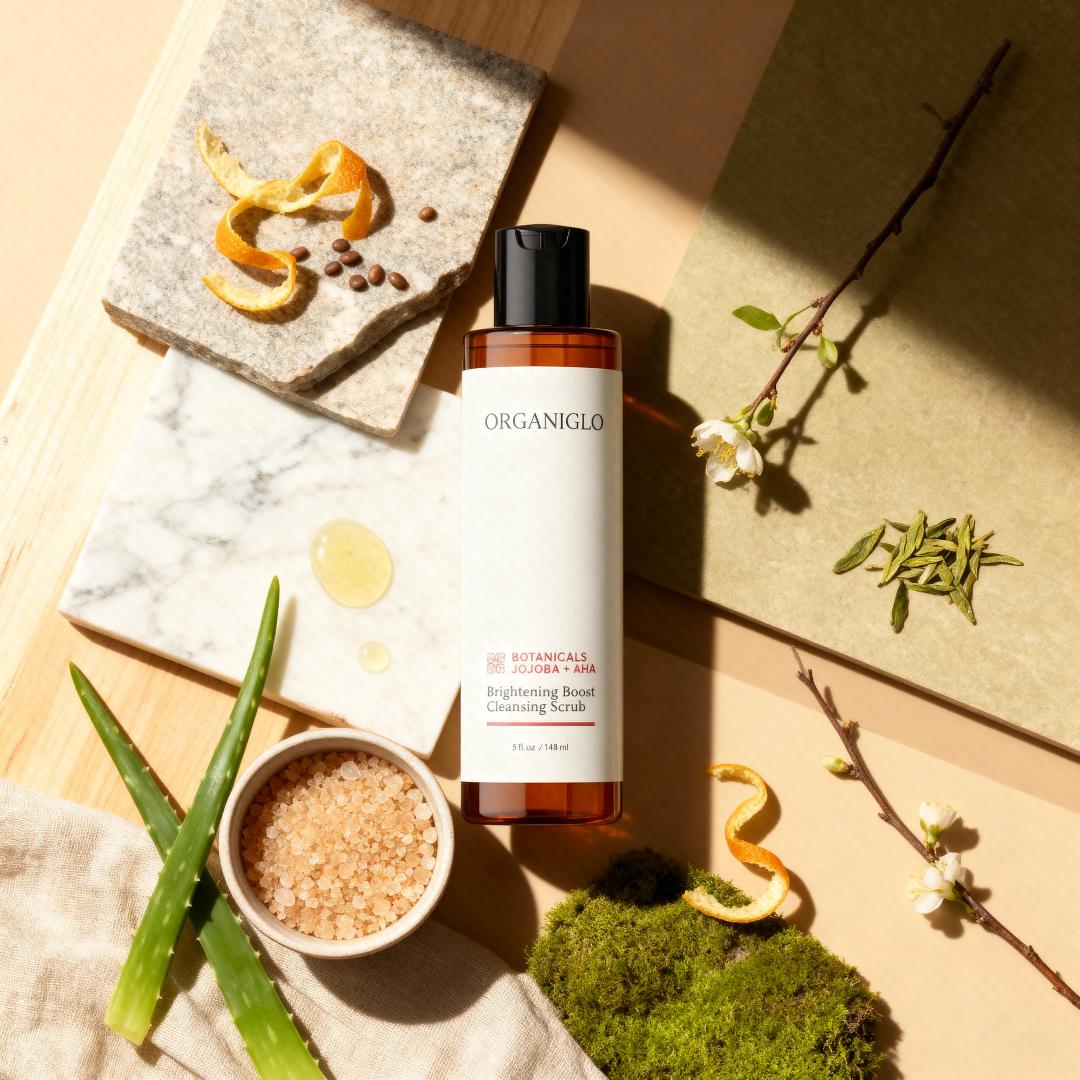
Antioxidant vitamin C, worn under your sunscreen each morning, brightens existing discoloration and neutralizes the free radicals SPF doesn't catch. Together they're far more powerful than either alone. Our Organiglo Brightening Duo is built for exactly this — a brightening pairing that targets sun-related dullness and dark spots while your Defend SPF 40 guards against new damage forming. Protect and correct, in the same morning ritual.
If dark spots are your main concern, our full guide to fading hyperpigmentation goes deeper on the approach.
Don't forget to repair
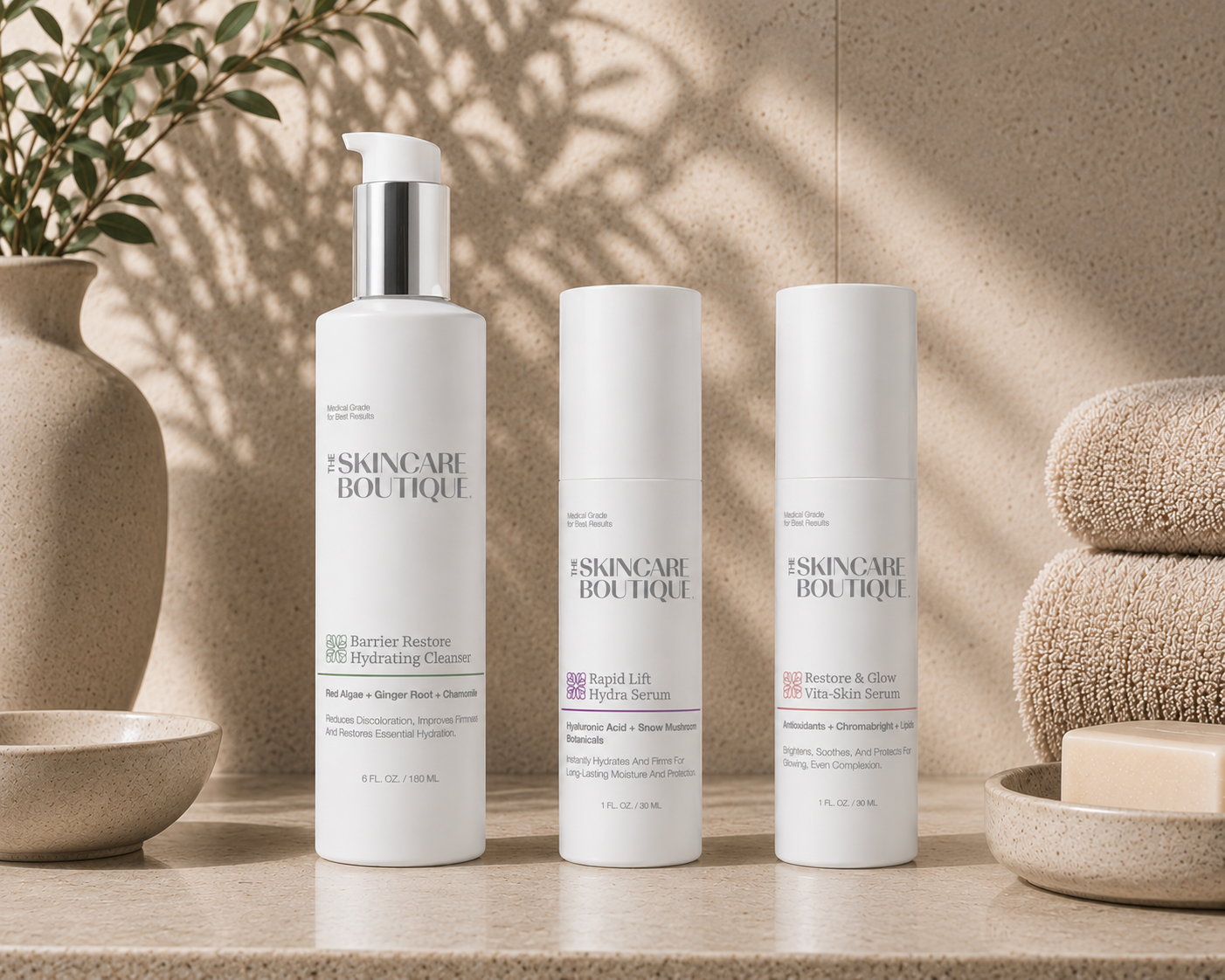
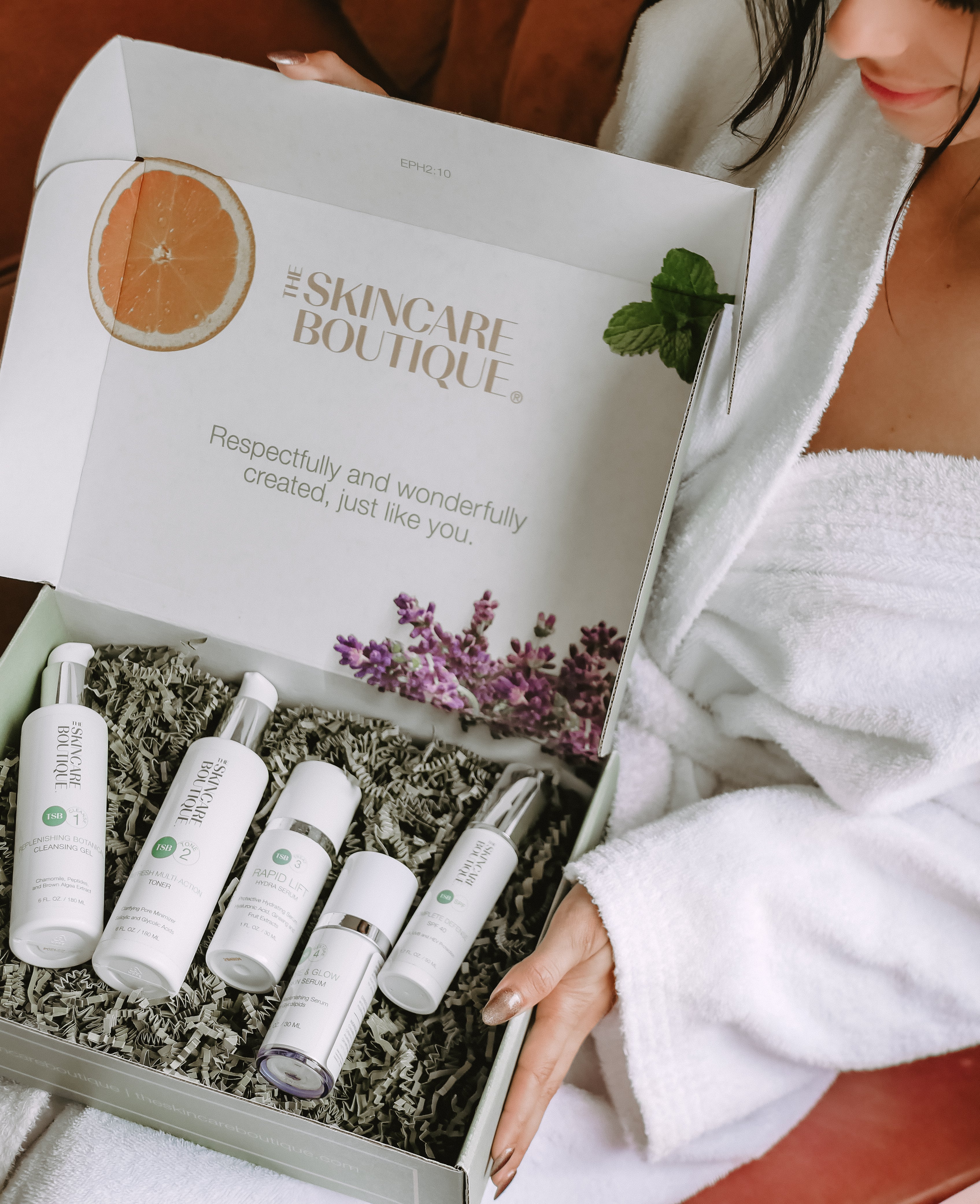
Sun exposure is dehydrating — it pulls moisture from the skin and stresses the barrier, which is why skin often feels tight and looks dull after a day outside. Replenishing that lost hydration helps skin recover and keeps the barrier strong enough to defend itself. This is where The Reservoir Protocol, our three-step hydration system, earns its place in a summer routine — cleansing without stripping, then flooding skin with hyaluronic acid and antioxidant vitamins to restore the dewy comfort a day in the sun quietly takes away.
Your simple Southern California sun ritual
- Morning: antioxidant vitamin C to brighten and defend, then Defend SPF 40 as your final step — every day, no exceptions.
- Throughout the day: reapply SPF every two hours outdoors, and lean on hats, sunglasses, and shade.
- Evening: replenish lost moisture and support the barrier so skin recovers overnight.
- Ongoing: pair daily protection with targeted brightening to fade the damage already there.
Get the order right and this takes about a minute a day. Our morning and night ritual guide lays out the full sequence.
Protect your skin, every day
Defend SPF 40 — a sheer, tinted, 100% mineral sunscreen that protects and defends against aging in one step.
Shop Defend SPF 40Not sure which products are right for your skin and your level of sun damage? Take the quick skin quiz and I'll match you to a ritual made for you — plus 15% off your first order. Or book a facial at our Ladera Ranch studio and I'll assess your sun damage in person and build a plan to correct it.
About the Author
Melanie White is the founder of The Skincare Boutique in Ladera Ranch, California, and creator of the clean skincare line Organiglo. A Master Medical Esthetician with oncology-certified training and more than 20 years of experience, she is a Fox 5 San Diego beauty contributor and EllieMD brand partner, with work featured in Modern Luxury, FINE Magazine, San Diego Woman, and Times of San Diego. Her approach pairs clinical, medical-grade science with clean botanical care to build personalized rituals for skin of every age.
Frequently asked questions
Do I really need to wear sunscreen every day?
Yes. UV exposure is responsible for the majority of visible skin aging, and it reaches your skin daily — through clouds, car windows, and year-round in sunny climates like Southern California. Daily broad-spectrum SPF is the single most effective anti-aging and anti-pigment step you can take.
Is mineral or chemical sunscreen better?
Both can protect well, but mineral sunscreens using zinc oxide sit on the skin's surface to physically block UV, tend to be gentler on sensitive, reactive, or post-procedure skin, and start working immediately. A tinted mineral formula like Defend SPF 40 also avoids the white cast many people dislike.
Can you reverse sun damage?
You can meaningfully improve it. Existing dark spots, dullness, and texture respond to antioxidants like vitamin C, brightening actives, and professional treatments — while daily SPF prevents new damage from forming. Consistency and sun protection are what make the improvement last.
Should I wear vitamin C and sunscreen together?
Yes — they're a powerful daytime pair. Vitamin C worn under sunscreen brightens and neutralizes free radicals, while SPF blocks the UV that causes damage. Together they protect and correct at the same time.
How much sunscreen should I use, and how often?
Apply generously — most people use too little — about fifteen minutes before sun exposure, and reapply every two hours when outdoors, or after swimming or sweating.
This article is for general educational purposes and is not medical advice. Sun protection is one part of skin health; consult a dermatologist for skin checks and any concerning changes to your skin.

Written by Melanie White